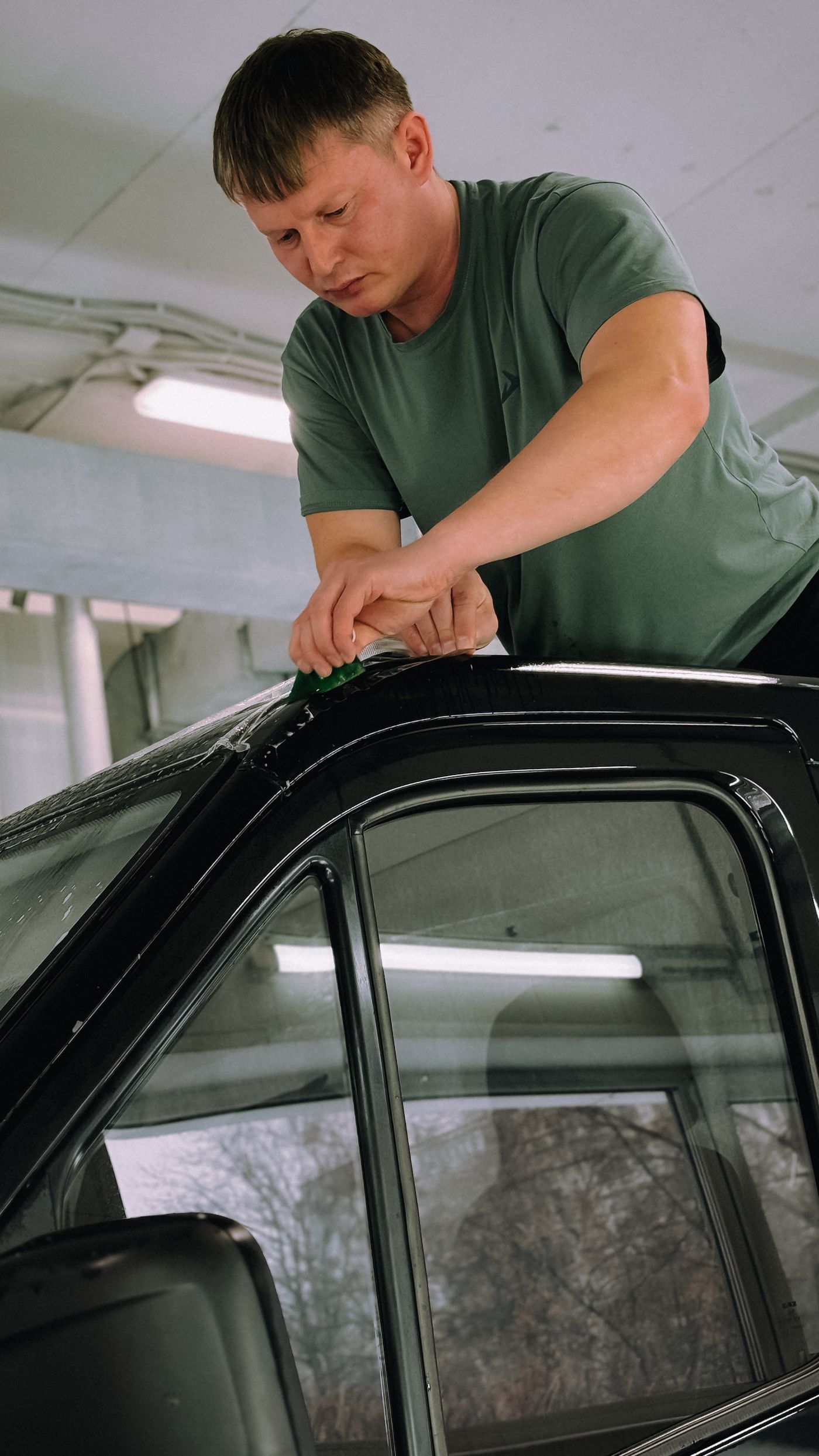
Peterborough Vehicle Care / Vehicle window tinting
Heat reduction
Ask for documented product performance and suitability for the glazing. Ask for documented performance figures for the proposed product and glazing combination. Heat performance can vary by film and installation, so compare specifications instead of relying solely on darkness.
Request manufacturer information and compatibility with the intended glass. Request documented UV performance and the exact film specification. Confirm compatibility with the relevant vehicle glass; no blanket health or performance claim should be inferred from appearance alone. Include the vehicle model, job location, desired outcome and any previous work that might affect the assessment. For safety-related concerns, arrange suitable qualified advice rather than relying on a cosmetic quote.
Confirm the appropriate work
A written enquiry allows an initial assessment of suitability. The actual scope, responsible provider, price and availability must be confirmed before arranging work.
Identify rear side windows and rear screen, including existing factory tint. Identify the exact rear side windows and rear screen, including any factory tint or existing film. Ask whether the chosen film is compatible with the glass and intended use, rather than relying only on shade photographs.
Front windows and windscreens are subject to UK visibility requirements. Ask for a compliance assessment before work. Front glass must meet applicable visibility requirements. Request an appropriate assessment of the complete glass and film combination before agreeing work, and do not assume a labelled film percentage is a legal result.
Existing glazing affects total light transmission. A film shade alone is not the final measurement. Tell the installer whether the vehicle already has factory privacy glass. The final light transmission depends on existing glazing and the additional film; a suitable assessment should consider both together.